Many founders struggle to connect with their audience through effective email marketing strategies. The challenge lies not in the medium, email remains a powerful tool, but in the execution. With an average ROI of $42 for every $1 spent, email marketing tools can significantly enhance your outreach and engagement. However, without the right tools and strategies, your efforts could fall flat.
Effective email marketing isn't just about sending messages; it's about sending the right messages at the right time to the right people. This guide will walk you through essential email marketing tools and strategies to elevate your campaigns.
Table of contents
Method 1: Introduction to Email Marketing Tools
Email marketing tools are essential for founders aiming to enhance their engagement with customers. With around 79% of marketers citing email as their most effective channel for customer acquisition, the stakes are high. The key to success lies in choosing the right tools that enable you to create, send, and analyze email campaigns effectively.
For example, consider a small e-commerce business that relies heavily on email marketing. By using email marketing tools, they can create targeted campaigns that resonate with their audience. This approach not only helps in acquiring new customers but also in retaining existing ones.
However, without these tools, the business risks sending generic emails that may lead to high unsubscribe rates. The right email marketing software can alleviate this issue by providing features like automation, segmentation, and analytics, which are crucial for effective communication.
Method 2: Key Features of Effective Email Marketing Software
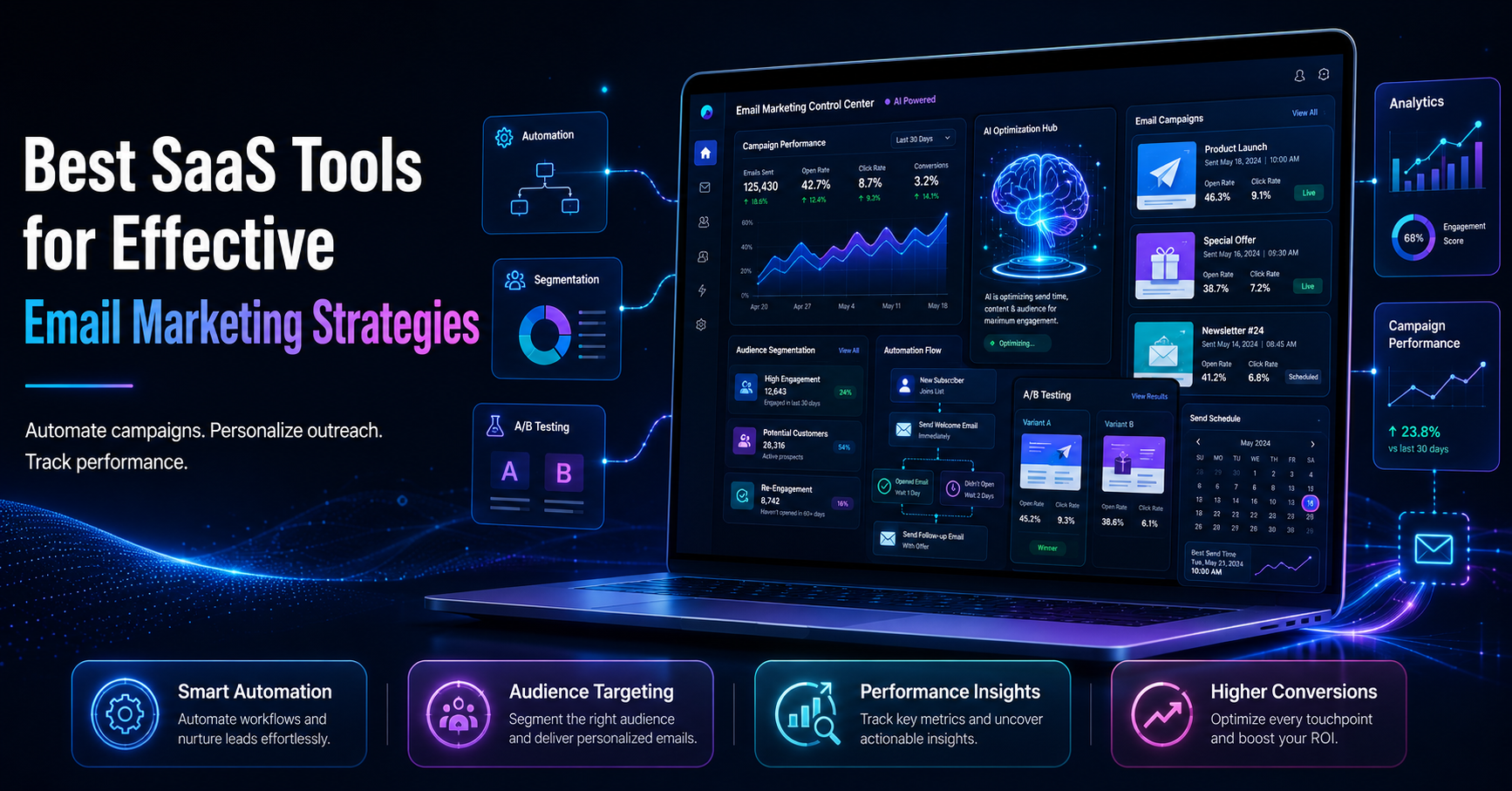
When evaluating email marketing tools, focus on these key features:
Automation: Automate repetitive tasks such as follow-ups and welcome emails to save time.
Analytics: Track open rates, click-through rates, and conversions to measure campaign effectiveness.
Segmentation: Divide your audience into smaller groups for targeted messaging.
Personalization: Create personalized content that resonates with different audience segments.
Compliance Tools: Ensure your campaigns adhere to regulations like GDPR and CCPA.
For instance, a small accounting firm might use segmentation to target clients based on their specific needs, improving engagement rates significantly. By automating their email follow-ups, they can focus more on building client relationships rather than managing campaigns.
Method 3: Top SaaS Email Marketing Tools
Here’s a rundown of some popular SaaS email marketing tools:
Mailchimp: Known for its user-friendly interface and extensive integration options, Mailchimp offers automation and analytics features that simplify email marketing.
Constant Contact: This tool excels in providing marketing resources and support, making it ideal for small businesses looking to grow.
ActiveCampaign: With advanced automation and CRM capabilities, ActiveCampaign is tailored for businesses looking to integrate email marketing with their sales processes.
SendinBlue: Offers robust email automation features and SMS marketing, making it a versatile option for multi-channel campaigns.
ConvertKit: Designed for creators, ConvertKit focuses on building relationships through personalized email campaigns.
Each of these tools has its strengths, and the right choice depends on your specific needs. For example, if you are a solo founder, Mailchimp or ConvertKit might be ideal due to their ease of use and scalability.
Method 4: Email Automation Tools for Streamlined Campaigns
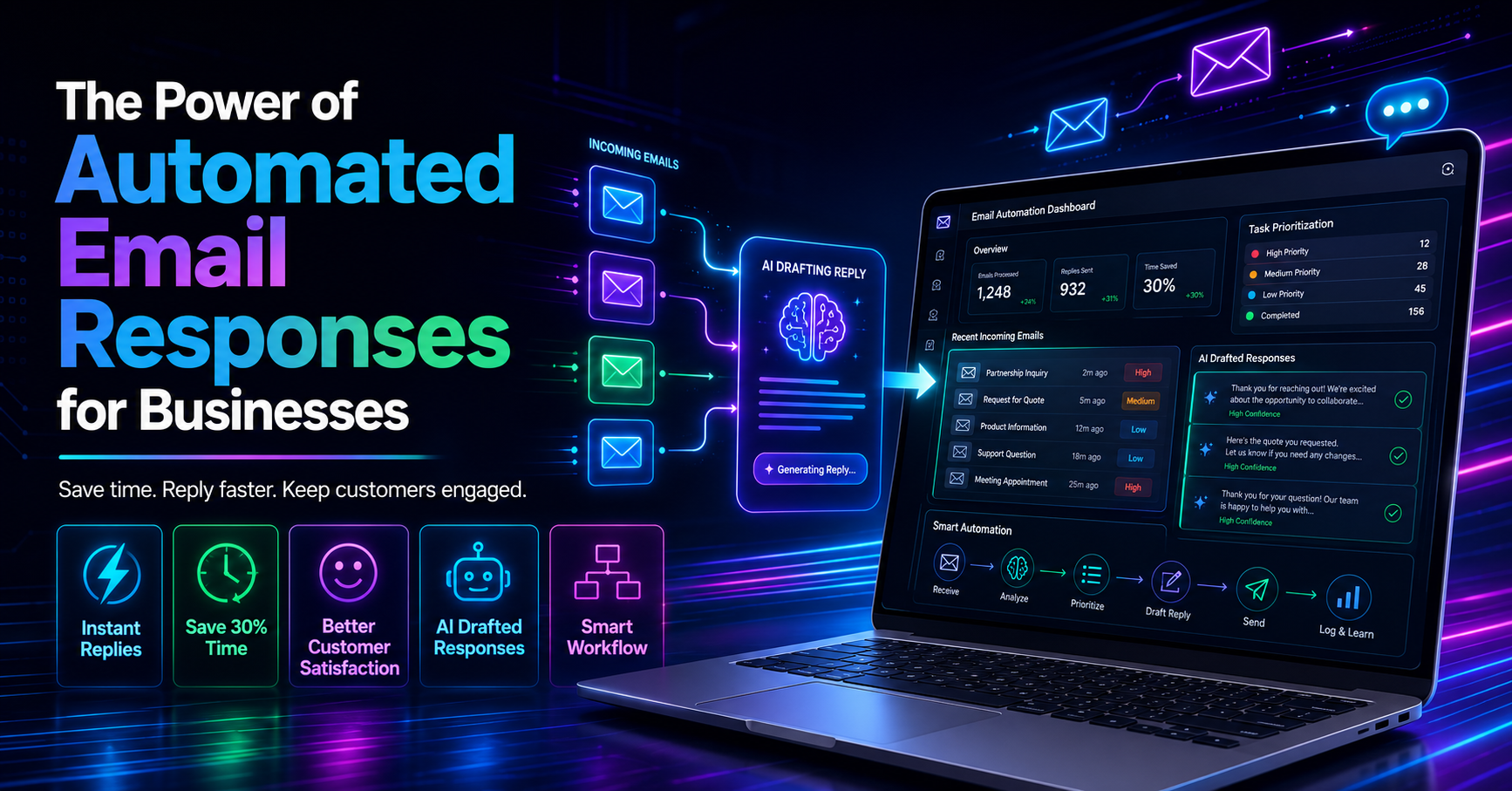
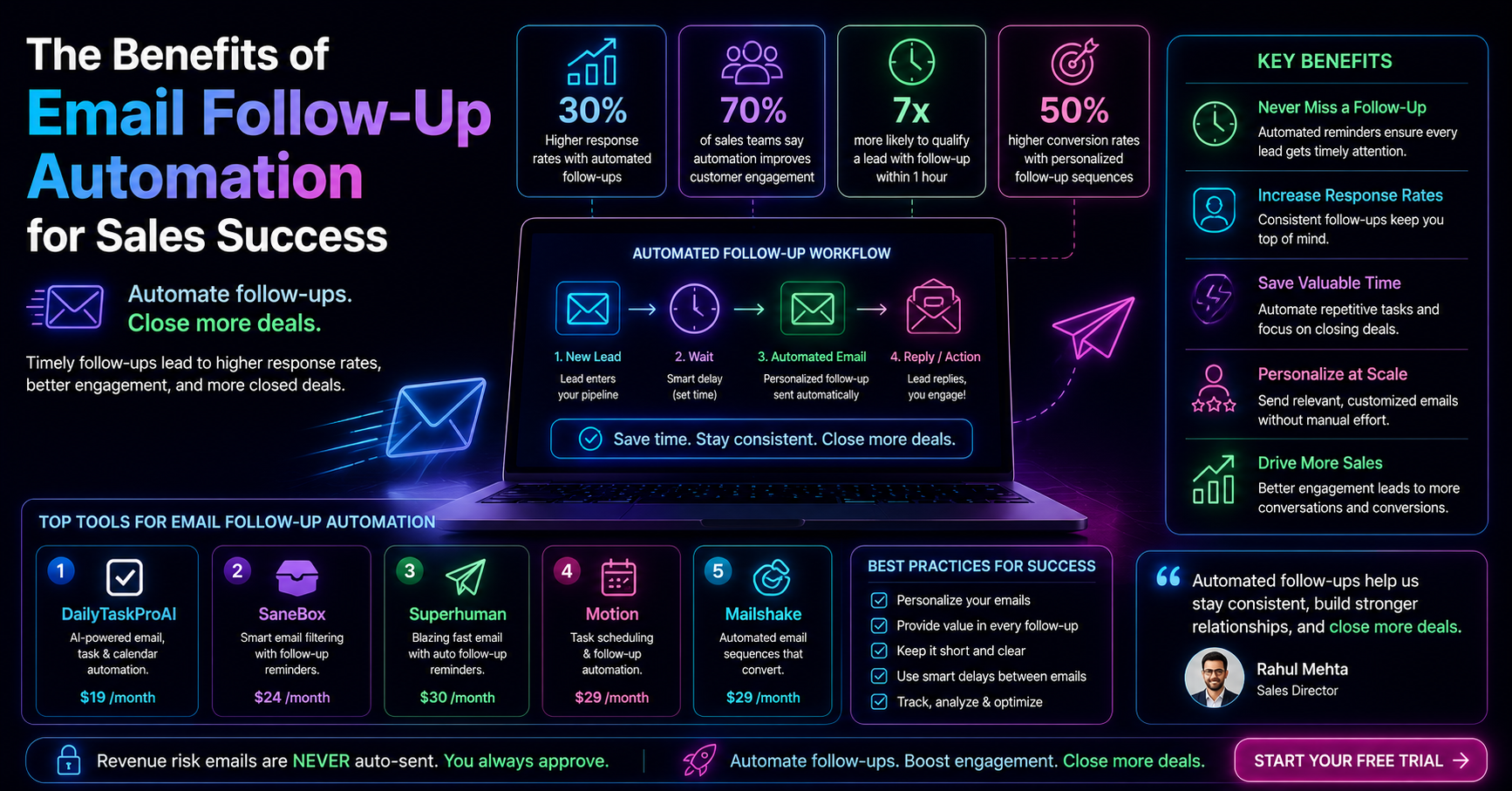
Email automation tools are a game changer for managing campaigns efficiently. These tools allow you to set up specific actions triggered by user behavior, such as signing up for a newsletter or making a purchase.
Imagine a scenario where an e-commerce store automatically sends a welcome email series to new subscribers. This series can include discount codes and product recommendations based on browsing history. The automation not only saves time but ensures that the customer journey is smooth and engaging.
Pros:
Saves time and reduces repetitive tasks.
Increases engagement through timely communication.
Improves conversion rates by nurturing leads effectively.
Cons:
Requires initial setup and testing to optimize workflows.
Can lead to disengagement if not managed properly.
Email automation tools are best for businesses looking to scale their marketing efforts without sacrificing quality. By using automation, you can focus on strategy and creativity rather than the minutiae of email management.
Method 5: The Importance of Email List Segmentation
Segmentation is key to sending relevant content that resonates with your audience. It allows you to divide your email list into specific groups based on demographics, behavior, or purchase history. Personalized content can lead to a 26% increase in open rates and a 760% increase in revenue.
For example, a fitness brand can segment its list into categories like beginners, intermediates, and advanced users. Each segment receives tailored content that speaks directly to their fitness level, increasing engagement and, ultimately, sales.
Pros:
Higher engagement rates due to targeted messaging.
Increased customer loyalty through personalized communication.
Improved ROI as campaigns become more relevant.
Cons:
Requires data to segment effectively.
Can be time-consuming to set up and manage.
Segmentation is best for businesses with diverse customer bases. It allows for more effective communication and helps you build stronger relationships with your audience.
Method 6: Personalized Email Marketing Strategies
Creating personalized email content is crucial for engaging your audience. Personalization goes beyond using a customer’s name; it involves crafting messages that resonate based on their preferences and behaviors.
Consider a scenario where an online bookstore sends personalized recommendations based on previous purchases. By suggesting books that align with a customer’s interests, the bookstore not only increases the chances of conversion but also enhances customer satisfaction.
Tips for Personalization:
Use dynamic content to tailor emails.
Segment your audience for targeted messaging.
Incorporate customer behavior data into your campaigns.
Personalization strategies are particularly effective for e-commerce businesses and service providers. By understanding your audience, you can create more meaningful interactions that drive results.
Method 7: Email Analytics Tools for Measuring Success
Analytics tools are essential for tracking the performance of your email campaigns. They provide insights into open rates, click-through rates, conversion rates, and unsubscribe rates. This data is crucial for understanding what works and what doesn’t.
For example, a marketing manager at a tech company uses analytics to track the success of a recent product launch email. By analyzing the data, they find that emails sent on Tuesdays had a significantly higher open rate. This insight helps them optimize future campaigns.
Pros:
Data-driven decision-making improves campaign effectiveness.
Helps identify trends and customer preferences.
Enables A/B testing to refine strategies.
Cons:
Requires time to analyze data effectively.
May overwhelm those unfamiliar with data analysis.
Email analytics tools are best for businesses looking to enhance their marketing efforts based on real data. The insights gained can lead to more effective campaigns and better customer engagement.
Method 8: Ensuring Email Deliverability
Email deliverability is critical in ensuring your messages reach your audience's inbox. Poor deliverability can result in emails landing in spam folders, significantly reducing engagement rates.
To improve deliverability, consider the following strategies:
Authenticate your emails with SPF, DKIM, and DMARC.
Regularly clean your email list to remove inactive subscribers.
Monitor your sender reputation and avoid spammy practices.
For instance, an online retailer can increase their email deliverability by regularly updating their subscriber list and ensuring that their content is relevant and engaging. This proactive approach leads to better inbox placement and higher engagement rates.
Ensuring email deliverability is essential for any business relying on email marketing. By following best practices, you can significantly improve your chances of reaching your audience effectively.
FAQs about Email Marketing Tools
1. What are the best email marketing tools for small businesses?
Some of the best email marketing tools for small businesses include Mailchimp, Constant Contact, and SendinBlue. These platforms offer user-friendly interfaces, automation features, and robust analytics, making them ideal for businesses with limited resources. Consider your specific needs and budget when choosing the right tool.
2. How can I improve my email open rates?
Improving your email open rates can be achieved through several strategies. Personalization is key, use the recipient's name and tailor content based on their preferences. Additionally, crafting compelling subject lines and segmenting your audience can significantly enhance open rates. A/B testing different approaches can also provide insights into what resonates with your audience.
3. What is the importance of segmentation in email marketing?
Segmentation allows you to divide your email list into smaller, more targeted groups. This leads to more personalized marketing efforts, which can result in higher engagement rates and lower unsubscribe rates. By sending relevant content to specific segments, you can build stronger relationships with your audience and improve overall campaign performance.
4. How do I measure the success of my email campaigns?
Measuring the success of your email campaigns involves tracking key metrics such as open rates, click-through rates, conversion rates, and unsubscribe rates. Analytics tools provide insights into these metrics, allowing you to assess the effectiveness of your campaigns. Use this data to refine your strategies and improve future performance.
5. Are there any compliance issues I should be aware of?
Yes, compliance with regulations like GDPR and CCPA is crucial for email marketing. These regulations govern how you collect and store customer data and require explicit consent for marketing communications. Familiarizing yourself with these laws and implementing best practices will help you avoid legal issues and build trust with your audience.
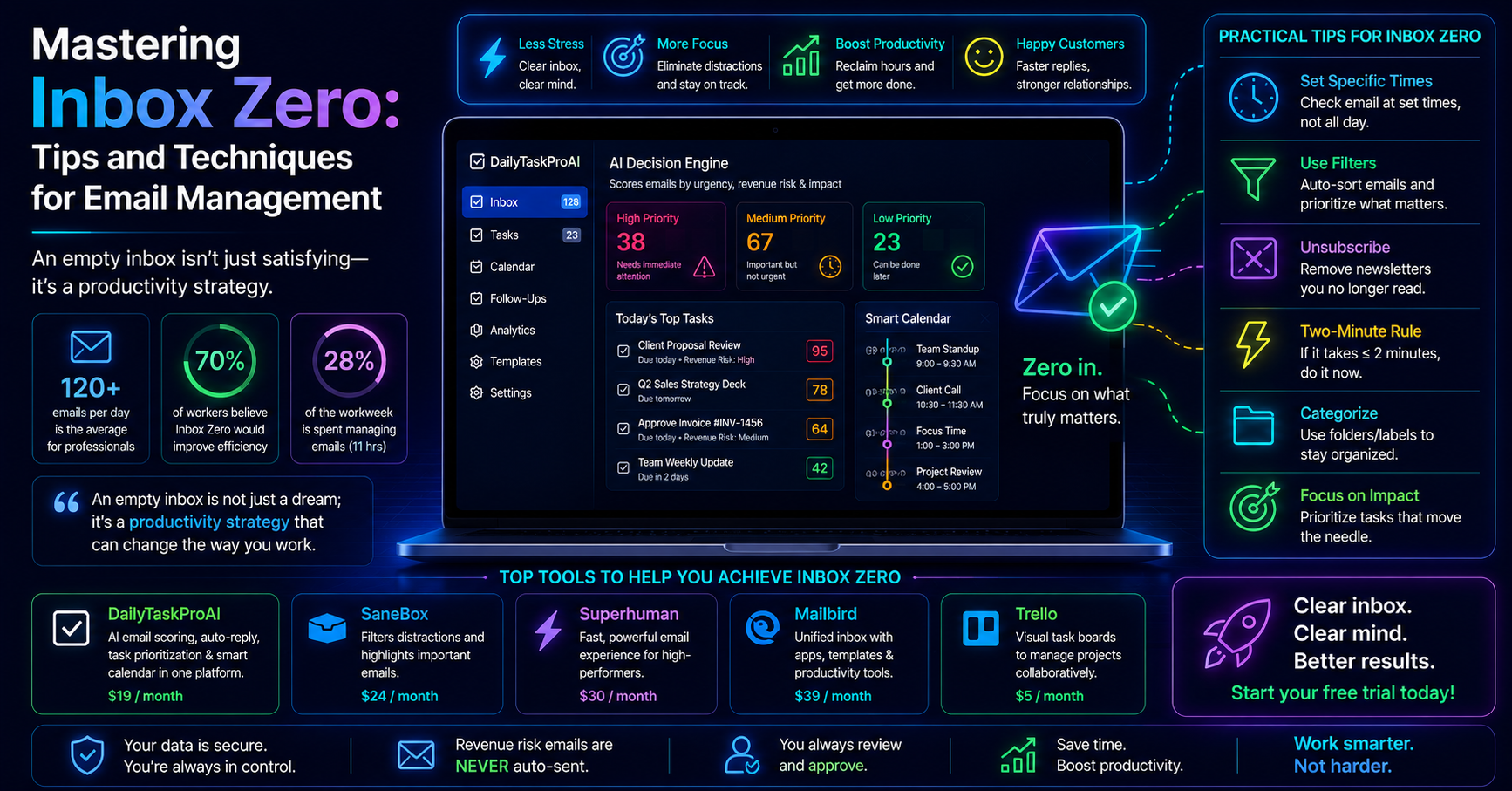
Enhance Your Email Marketing with DailyTaskProAI
Email marketing tools can significantly improve your outreach and engagement, but managing them effectively can be a challenge. DailyTaskProAI is designed to streamline your email management and task prioritization, ensuring that you never miss a critical message. With features like the AI Decision Engine to prioritize important emails and Smart Calendar & Auto-Scheduling to manage your schedule seamlessly, you can focus on what matters most. Revenue risk emails are NEVER auto-sent. You always approve.
Explore how DailyTaskProAI can enhance your email marketing efforts today. Get started free and see the difference it can make.
Resources & Further Reading
External Resources
The Future of Email Marketing, Insights on evolving trends in email marketing.
Email Marketing, Statistical data on email marketing trends and effectiveness.
Mailchimp Research, A collection of research and insights on email marketing performance.